
Tips For Winterizing Your Home’s Exposed Plumbing
 It’s important to winterize your home’s pipe if you live in an area, such as Long Island, where temperatures go below freezing or nearly below freezing. Frozen pipes can lead to serious damage if they burst, which they can easily do. With that said, here are a few steps that can help you protect your home.
1. Find Vulnerable Pipes- You want to find pipes and plumbing that are subject to freezing temperatures. This is the first step you want to take when it comes to winterizing your home’s plumbing. Unheated basements, crawl spaces, garages and exterior walls are some of the most common areas.
Take a look at each area because you want to see if there is exposed plumbing or pipes that are leaking. If you don’t know whether or not if there are problems present, then consider calling a professional plumbing service. A local plumber should be able to tell you what you need to do.
2. Secure Your Exterior Pipes And Your Faucets- Next, you will want to figure out which faucets you can do without, as well as your exterior pipes. If water gets trapped in an exterior pipe, then it may expand. This could end up causing the pipe to burst, break or crack.
If you have garden hoses attached to your home, then disconnect them after draining them and then store them for the winter. If you just leave your hoses attached, then water will remain in the spigot. This can lead to water quickly freezing. A good idea is to cover the faucet with a cover that you can purchase at a hardware store.
If you have a lawn sprinkler system, then shut off the water supply to it. Drain the water from the pipes too. If you don’t know how to do this, then an irrigation company or a local plumber should be contacted. They will be able to provide you with help.
3. Insulate Pipes That Are Exposed- Insulating pipes is one of the best ways to prevent freezing during the winter, and it can actually reduce energy because it will lighten the load on the water heater. You can put some foam tubing or towels on pipes that are exposed in places such as basements and crawl spaces. Electrical heating tape is another good option to use, especially if the pipes are near a source of electricity.
4. Seal Up Troubled Areas- Have a look at exterior and interior areas where pipes and plumbing are exposed, and this includes areas such as crawl spaces and basements. Make sure you look at doorways, windows and vents to ensure seals are not coming loose or they have not been separated. If need be, then repair seals with caulking.
5. Prevent Pipe Problems Indoors- Finally, you’ll want to do what you can to prevent indoor pipe problems. When temperatures outside become very cold, then indoor pipes can be prone to freezing. As a general rule of thumb, you should open up the cabinets below the sinks. Doing this allows warm air to circulate.
Also, let your faucets drip slowly. You should consider setting the thermostat to at least 55 degrees too. The sooner you winterize your plumbing system, the better because it might help you avoid costly repairs and the hassle of dealing with frozen pipes.
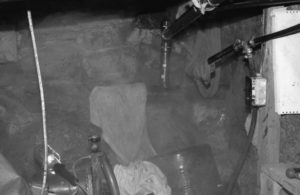 Plumbing leaks are something that many homeowners on Long Island face and can be caused by freezing during the winter. These leaks come about when the frozen water starts to expand instead of contract. When this happens, the water needs more space than it did before which causes the leaks.
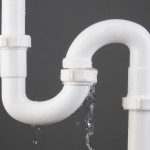 If you have ever experienced a plumbing issue, you know how inconvenient and frustrating it can be. Now, imagine if a pipe freezes and bursts, the toilet overflows or you develop a leak in your wall.
 The most common plumbing situations that people call plumbers for include drain clogs, broken pipes, and gas leaks. These residential plumbing issues can be prevented right from the start. Certainly,
 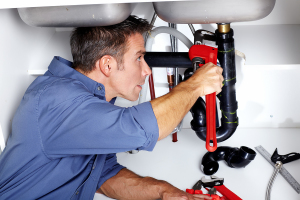 On the surface, a 24-hour plumber definitely sounds like a good thing. However, it may cause you a great deal of anxiety since that usually means that your house is experiencing a major plumbing emergency.
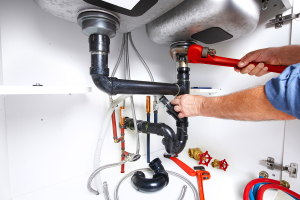 The property market on Long Island has indeed evolved, and this is a fact. Today, every home built in this area contains crucial systems such as AC systems, Heater systems, electricity, and plumbing systems.
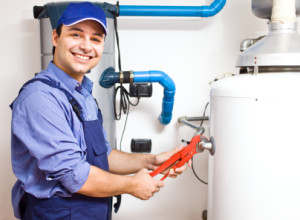 Water heaters play a big role in your home. They help satisfy all your hot water needs. Nevertheless, these products attract a few common issues no matter the brand, such as; leaks, no hot water, or not enough hot water.
  Plumbing systems are important commercially as well as at home. However, research has proven that not many people realize a problem not until it has occurred.
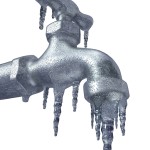 Winter on Long Island is usually a time when people need heat the most. However, it should be noted that the cold weather is no friend to water pipes. Most plumbing problems occur during winter.