
The Reasons You May Be Facing a Plumbing Leak in the Home
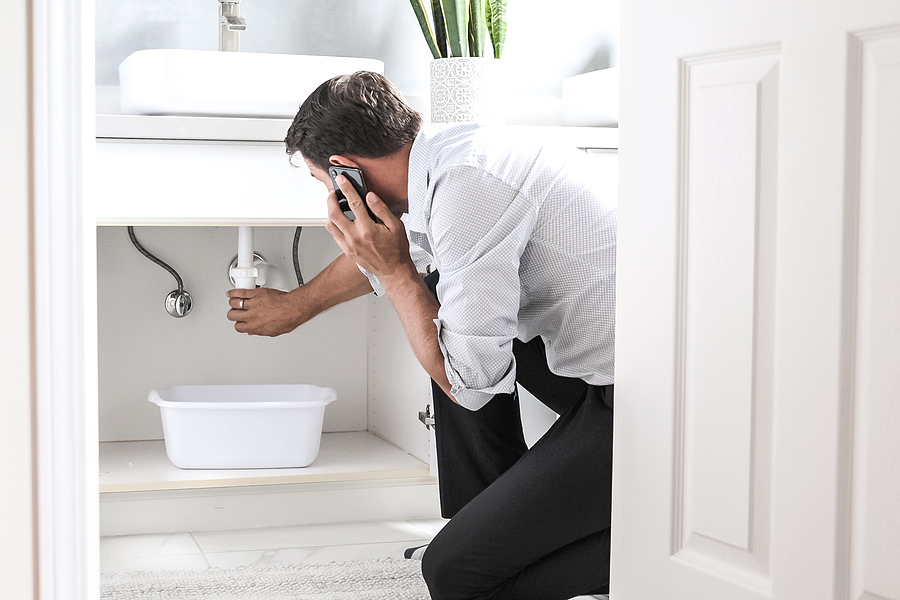 A leak in the home can be a real headache for any homeowner, especially if they are unclear on the source of the leak. If you didn’t damage the pipes and you don’t see a reason for the leaks, then you may not address the problem as you should. Not addressing a potential leak, however, can lead to costly repairs and more significant damage in the future.
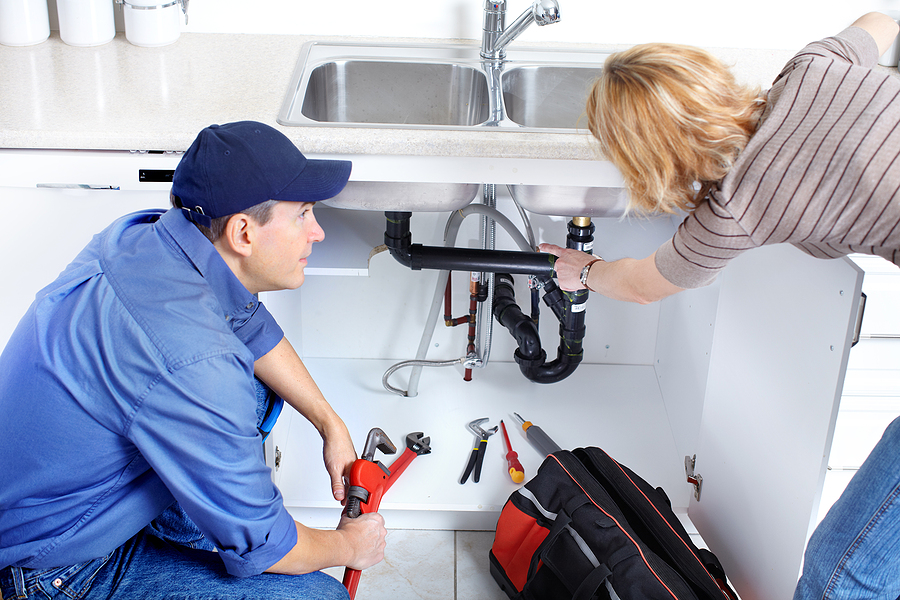
As a homeowner, it is important to understand a few of the reasons you may be facing a plumbing leak in the home, so you can call in emergency plumbers and other plumbing services to help fix the problem as soon as possible.
Common Causes
Some of the more common causes of plumbing leaks in the home include broken seals, clogs, and corrosion. The seals in your appliances can break and wear down over time and can cause a leak.
When you have a clog, the water begins to back up, and pressure begins to build up in the pipes, which can ultimately cause the pipe to burst and break.
Corrosion and rust are also issues that can develop in older homes with older piping over time as well, and the force from the corrosion and developing pressure can cause leaks in the corroded areas of the pipes.
Leak Prevention
One of the best ways to prevent leaks from happening is to follow through with proper maintenance and inspections. These inspections should be done by professional plumbers who know exactly what to look for.
In addition, you should also always avoid using any kind of chemical drain cleaners in the home because they can begin to eat away at the inside of the pipes when they are used frequently. Eating away at the inside of the pipes can ultimately cause leaks to develop.
Finally, be very careful about what you are putting down your drains. Flushing the wrong items can cause loose fittings, leaks, and other significant plumbing damage. Any clogs that result will need professional drain cleaning as well. When you cause a clog, then leaks are more likely to develop.
Call the Professionals
If you already suspect a leak, do not hesitate to get in touch with a licensed plumber. The longer you wait, the bigger of a disaster a small leak can turn out to be.
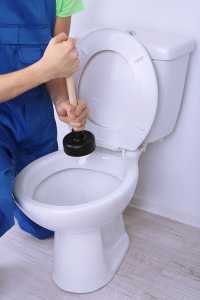 A clogged toilet is frustrating and potentially dangerous. In order for your toilet to work properly, you will need to clear the clog. The following toilet repair tips can help you out if you find yourself dealing with a clogged toilet.
 When your toilet is clogged the situation can become dire. You definitely want to make sure it is running seamlessly so you don’t have a nasty cleaning project on your hands. In addition, if you ignore a plumbing problem it can get quite expensive over time. While it is true that clogs can pop up without much warning, there is also a lot you can do to ensure that you don’t have to deal with one in the future.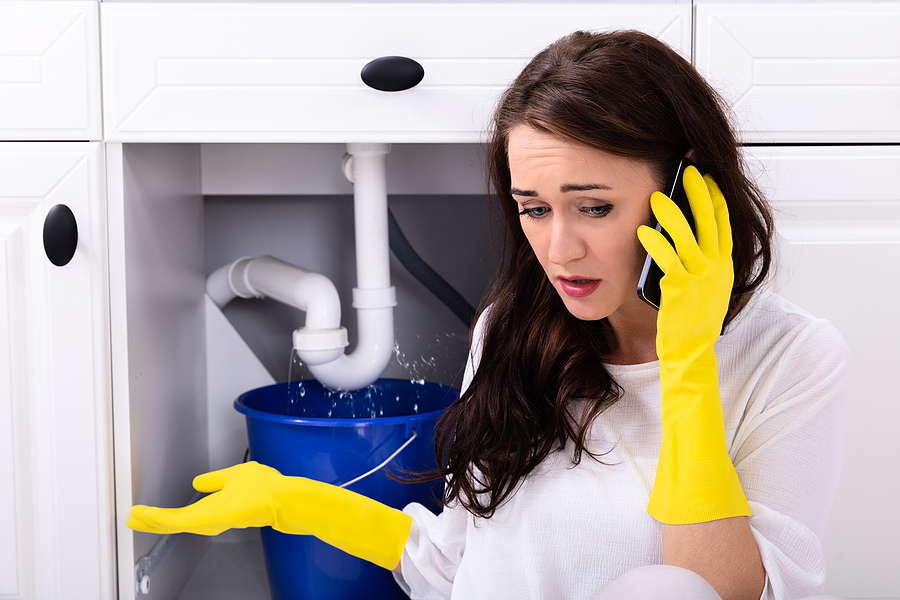
 Few frustrating situations can be compared to you having a hot shower in the morning and then all of sudden the water becomes cold. This points to one thing; your water heater has broken down and needs repairs unless you are content with the long and uncomfortable cold morning showers.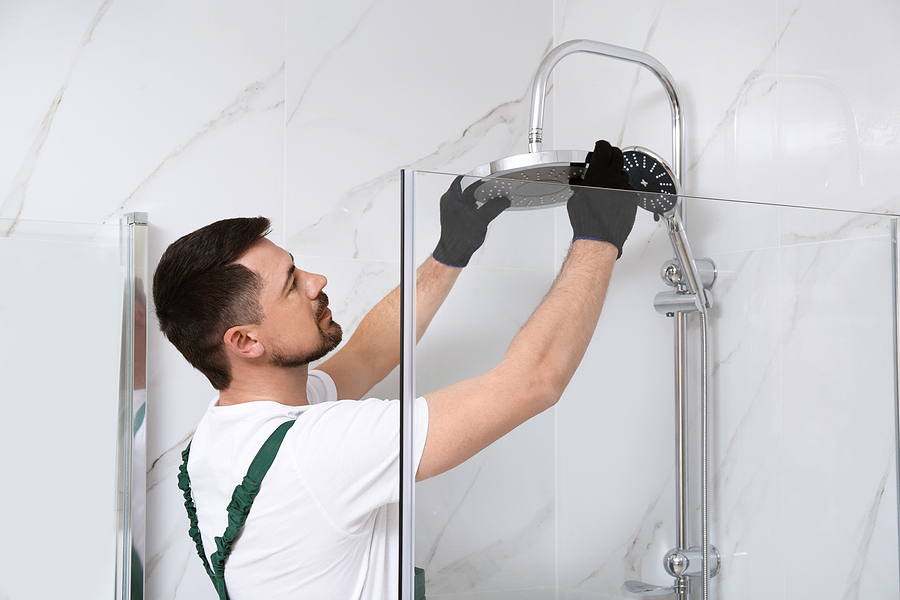
 Most chemical drain cleaners contain sulfuric acid or sodium hydroxide (also called lye or caustic soda). These are very corrosive chemicals to metals and organic materials. These chemicals are bases which means they give the clogging substance electrons and the hydroxide ions generate a reaction that clears up the clog. Heat is released by the alkaline chemicals which result in grease turning into a soap-like substance that is easier to dissolve.